






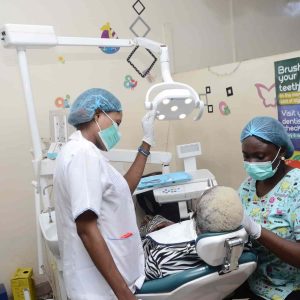
If you are searching for the JAMB cut off mark for Dentistry, you are not alone. Every year, thousands of Nigerian students compete for admission into Dentistry, one of the most competitive and respected medical courses in the country. Understanding the JAMB cut off mark for Dentistry is not just important it can determine whether your dream of becoming a dentist moves forward or stops at the admission stage.
This detailed guide answers all major questions candidates ask about the JAMB cut off mark for Dentistry, explains how universities determine their cut off marks, shows how to calculate your chances, and offers practical strategies to improve your admission prospects. The explanations here are written in a clear human tone and designed to give you the right result, not guesswork.
What Is the JAMB Cut Off Mark for Dentistry?

The JAMB cut off mark for Dentistry is the minimum Unified Tertiary Matriculation Examination (UTME) score required for a candidate to be considered for admission into Dentistry and Dental Surgery in Nigerian universities.
Dentistry is classified under medical and health-related courses, which means its cut off mark is significantly higher than the general JAMB minimum. While JAMB may announce a general benchmark, universities are free to set higher departmental cut off marks for Dentistry.
In recent admission years, the JAMB cut off mark for Dentistry in federal and top state universities has consistently ranged between 250 and 280, depending on the institution and the number of applicants.
Official JAMB Benchmark vs Departmental Cut Off Mark for Dentistry
Many candidates misunderstand this part, so let us clarify it clearly.
JAMB General Benchmark
Joint Admissions and Matriculation Board usually sets a minimum national benchmark (often around 140–160) for universities. This benchmark does NOT apply to Dentistry in practical terms.
Departmental Cut Off Mark for Dentistry
The departmental cut off mark for Dentistry is determined by:
- The number of applicants
- The average UTME scores
- The carrying capacity of the dental school
- Candidates’ Post-UTME performance
That is why Dentistry always has a much higher cut off mark than the general JAMB benchmark.
JAMB Cut Off Mark for Dentistry in Top Nigerian Universities
Below are realistic admission trends based on recent years. These figures help you understand what universities usually expect.
Federal Universities
- University of Ibadan: 270–280
- University of Lagos: 260–275
- Obafemi Awolowo University: 260–270
- University of Nigeria Nsukka: 255–265
State Universities
- Lagos State University: 240–260
- Delta State University: 235–255
Private Universities
- Babcock University: 220–240
- Afe Babalola University: 220–250
Important: Meeting the JAMB cut off mark for Dentistry does not automatically guarantee admission.
Why the JAMB Cut Off Mark for Dentistry Is Always High
The JAMB cut off mark for Dentistry remains high for clear reasons:
- Limited Admission Slots – Dental schools admit very few students yearly.
- High Demand – Dentistry attracts top science students nationwide.
- Professional Regulation – Dental education is tightly regulated.
- Academic Intensity – Dentistry requires strong academic capacity.
Because of these factors, universities raise the JAMB cut off mark for Dentistry to filter only the best-performing candidates.
Required Subject Combination for Dentistry in JAMB
Scoring high alone is not enough. To qualify for the JAMB cut off mark for Dentistry, your subject combination must be correct:
- English Language (compulsory)
- Biology
- Chemistry
- Physics
Any error in subject combination can automatically disqualify you, even if you score above the JAMB cut off mark for Dentistry.
Post-UTME and Aggregate Score for Dentistry
Most universities calculate an aggregate score using:
- JAMB score (50–60%)
- Post-UTME score (40–50%)
Example Calculation
- JAMB score: 280/400
- Post-UTME: 75/100
Aggregate ≈ 77–80%
For Dentistry, a competitive aggregate score is usually 75% and above in top universities.
Can You Study Dentistry with a Low JAMB Score?
Let us be honest.
If your score is below 230, your chances of Dentistry in federal universities are very slim. However, you still have options:
- Consider private universities
- Change course to Medical Laboratory Science, Anatomy, or Physiology
- Rewrite JAMB and aim higher
Dentistry is not a course where “luck” works; the JAMB cut off mark for Dentistry is strict.
How to Improve Your Chances of Meeting the JAMB Cut Off Mark for Dentistry
Here are proven strategies successful candidates use:
- Target 270+ in JAMB
- Start Post-UTME preparation early
- Choose Dentistry as first choice
- Apply to schools with realistic cut off marks
- Avoid subject combination errors
- Monitor admission updates regularly
Frequently Asked Questions (FAQs)
1. What is the minimum JAMB cut off mark for Dentistry in Nigeria?
The practical JAMB cut off mark for Dentistry starts from 240, but top universities require 260–280.
2. Can I study Dentistry with 250 in JAMB?
Yes, 250 may be competitive in some state or private universities, but it is risky for top federal schools.
3. Does meeting the JAMB cut off mark for Dentistry guarantee admission?
No. Admission also depends on Post-UTME performance, aggregate score, and available slots.
Also Read: What Is the Cut Off Mark for Medicine and Surgery in FUTA? (Latest Guide for Aspirants)
Conclusion: Final Word on JAMB Cut Off Mark for Dentistry
The JAMB cut off mark for Dentistry is among the highest in Nigeria because Dentistry is a prestigious and competitive medical course. If you are serious about becoming a dentist, aim far above the minimum, not just at the average.
Scoring high in JAMB, preparing well for Post-UTME, and choosing the right university strategically will place you in a strong position. With determination and proper guidance, gaining admission into Dentistry is achievable.











+ There are no comments
Add yours